
Raspberry Pi für die professionelle Produktentwicklung - Eine gute Idee?
- Anna-Lena Marx
- Embedded , Conferences
- May 10, 2022
Maschinen und Geräte durch Vernetzung und Software aufzuwerten ist ein Kerngedanke des IoT. So werden die resultierenden Projekte häufig aus der Fachdomäne mit dem Wunsch nach schnellen und einfachen Erfolgen gestartet. Die Idee liegt dann nahe den beliebten Raspberry Pi als Basis zu nutzen. Das Gerät ist ja bekannt, fast alles wurde schon einmal von irgendwem gemacht und ins Netz gestellt. Klingt fast zu schön, um wahr zu sein - ist es auch aus professioneller Sicht. Die Gründe hierfür und welche Faktoren bei der Entscheidung für eine Hard- und Software-Plattform als Basis für ein IoT Produkt berücksichtigen werden sollten, sind Inhalt des Vortrags.
Die Zuhörer sollen am Beispiel des Raspberry Pi’s verstehen, welche Faktoren bei der Entscheidung für eine Hardware Plattform für IoT oder Embedded Systems Anwendungen bedacht werden sollten, um auch langfristig wartbare, sichere Produkte zu entwickeln. Dabei soll nicht nur Einblick in wichtige, aber oft vergessene Fragen bei der Hardware Auswahl gegeben, sondern auch häufige Fallstricke auf der Software Seite diskutiert werden.
Presented at
- buildingIoT, Karlsruhe, 2022
Download slides (german) Blog post: Raspberry Pi in Professional Products - What You Need to Consider
Related Posts
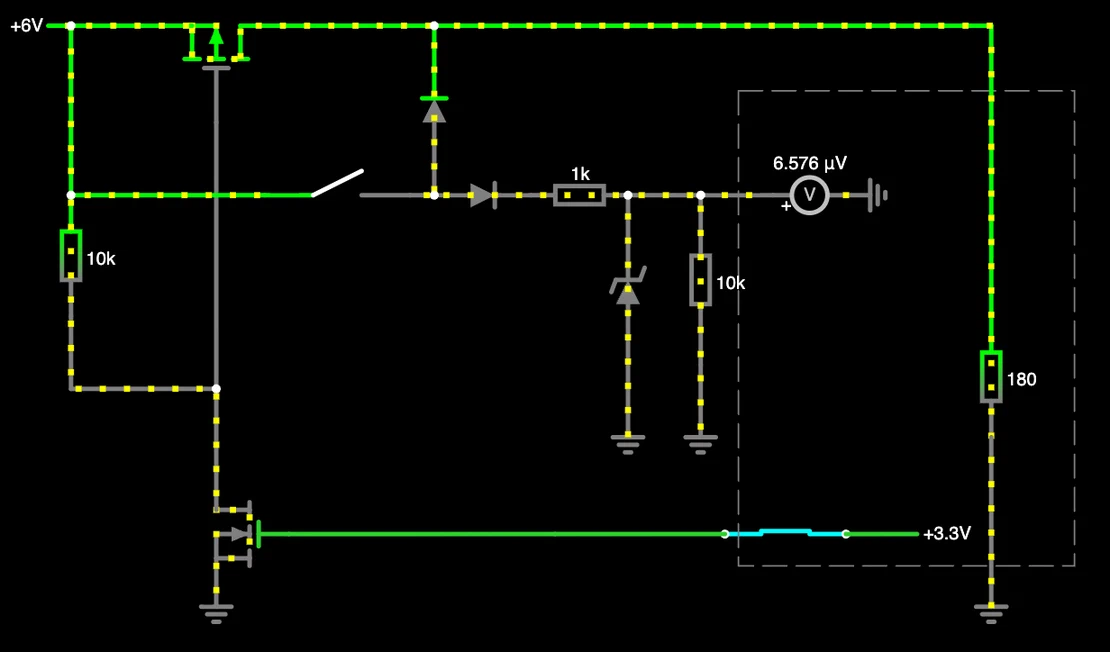
A Gentle Power Off for ZEReader: Replacing the Hard Switch with a Latching Power Circuit
- Anna-Lena Marx
- November 16, 2025
- Zereader , Electronics , Embedded
With the second revision, the way ZEReader is turned on and off got a massive redesign.
The hard on/off switch in the first revision was dead simple and worked great—with one big flaw from a user’s perspective. You could not recognize if the reader was on or off on the first sight. The old switch just closed or opened the loop with the power supply, and due to the E-Paper display just holding the state, you had no chance to tell.
Besides, there was no possibility at all to implement some kind of graceful shutdown mechanism, which would allow me to save all important state information and show a clear device off indicator.
This situation was totally fine for the very first prototype, but it started to get annoying very soon. A new approach was needed!

USB Updates - Challenges, Approaches and Practical Tips
- Anna-Lena Marx
- February 24, 2024
- Embedded , Conferences
Over-the-air updates have established themselves as the standard for networked devices, but the effort involved in operating the server side is not always commensurate with the benefits. In such cases, the supposedly simple and quick solution of implementing updates via USB is often chosen. But is it really always that uncomplicated? What considerations are necessary to implement USB updates effectively?
This presentation provides an insight into the challenges of USB updates and presents solutions and practical tips for successful implementation. Find out which aspects need to be considered in order to optimize USB updates and ensure a smooth process
Read Post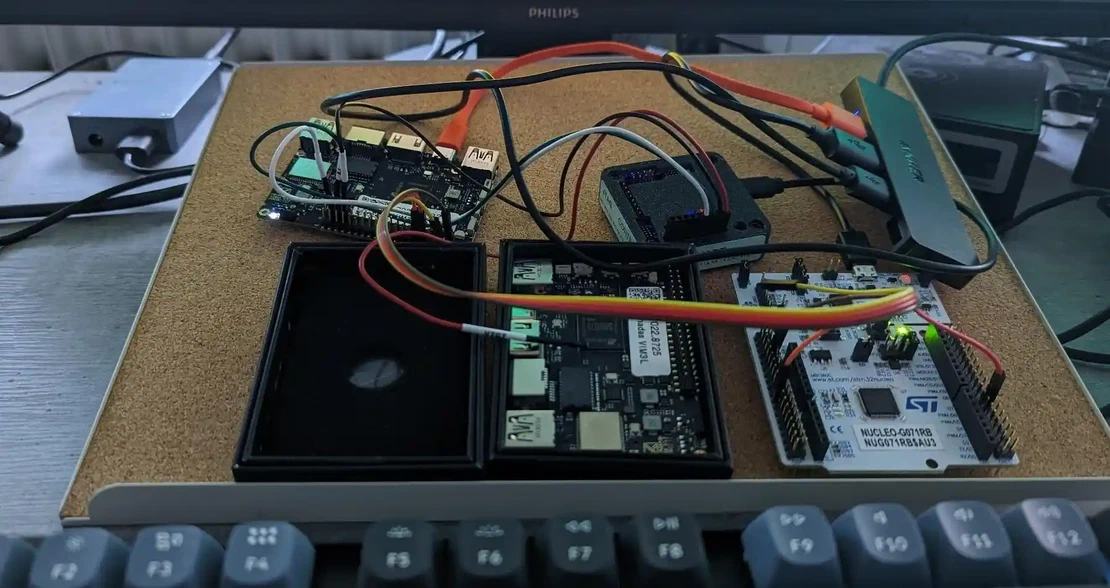
Organizing My Desk as an Embedded Engineer
- Anna-Lena Marx
- August 9, 2023
- Embedded
As an embedded dev, my desk is always a mess (and I think the ones of my colleagues, too). Working with real hardware leads straight to a number of boards, additional debuggers, tools, cables and more. And of course, as the most developers, I have a number of work projects and another of private ones. Even worse, I’m working from home for a good share of my time, so both kinds contribute to the mess there. Managing this is a constant effort and fight, but rarely successful.
Read Post