LoRaWAN in theory and practice: A trip through Munich
- Anna-Lena Marx
- Embedded , Conferences
- February 24, 2024
LoRaWAN (Long Range Wide Area Network) is becoming increasingly popular, thanks in part to public networks such as The Things Network, which allow users to dispense with their own gateways. LoRaWAN also promises potential in terms of range and energy efficiency. But how does the standard perform in practice?
The aim of the presentation is to shed light on the technical background and demonstrate how practicable LoRa is in the field using real tests. It will be shown how the standard behaves in urban and rural areas, how differences in height of the gateway and different antennas influence the transmission quality.
LoRaWAN in Theorie und Praxis: Ein Ausflug durch München
LoRaWAN (Long Range Wide Area Network) erfreut sich wachsender Beliebtheit, dazu tragen unter anderem öffentliche Netzwerke wie The Things Network bei, die ermöglichen, auf eigene Gateways zu verzichten. Potenzial verspricht LoRaWAN auch in den Punkten der Reichweite und Energieeffizienz. Aber wie verhält sich der Standard in der Praxis?
Ziel des Vortrags ist es, die technischen Hintergründe zu beleuchten und an realen Versuchen zu demonstrieren, wie praktikabel LoRa im Feldeinsatz ist. Es soll gezeigt werden, wie sich der Standard im urbanen und ländlichen Raum verhält, wie Höhenunterschiede des Gateways und unterschiedliche Antennen die Sendequalität beeinflussen.
Presented at
- buildingIoT, Munich, 2024
Download slides Blog post: Key Influences in Tracking with LoRaWAN
Related Posts
Your Vendor's BSP Is Probably Not Built For Product Longevity - Now What?
- Anna-Lena Marx
- December 4, 2025
- Embedded , Conferences
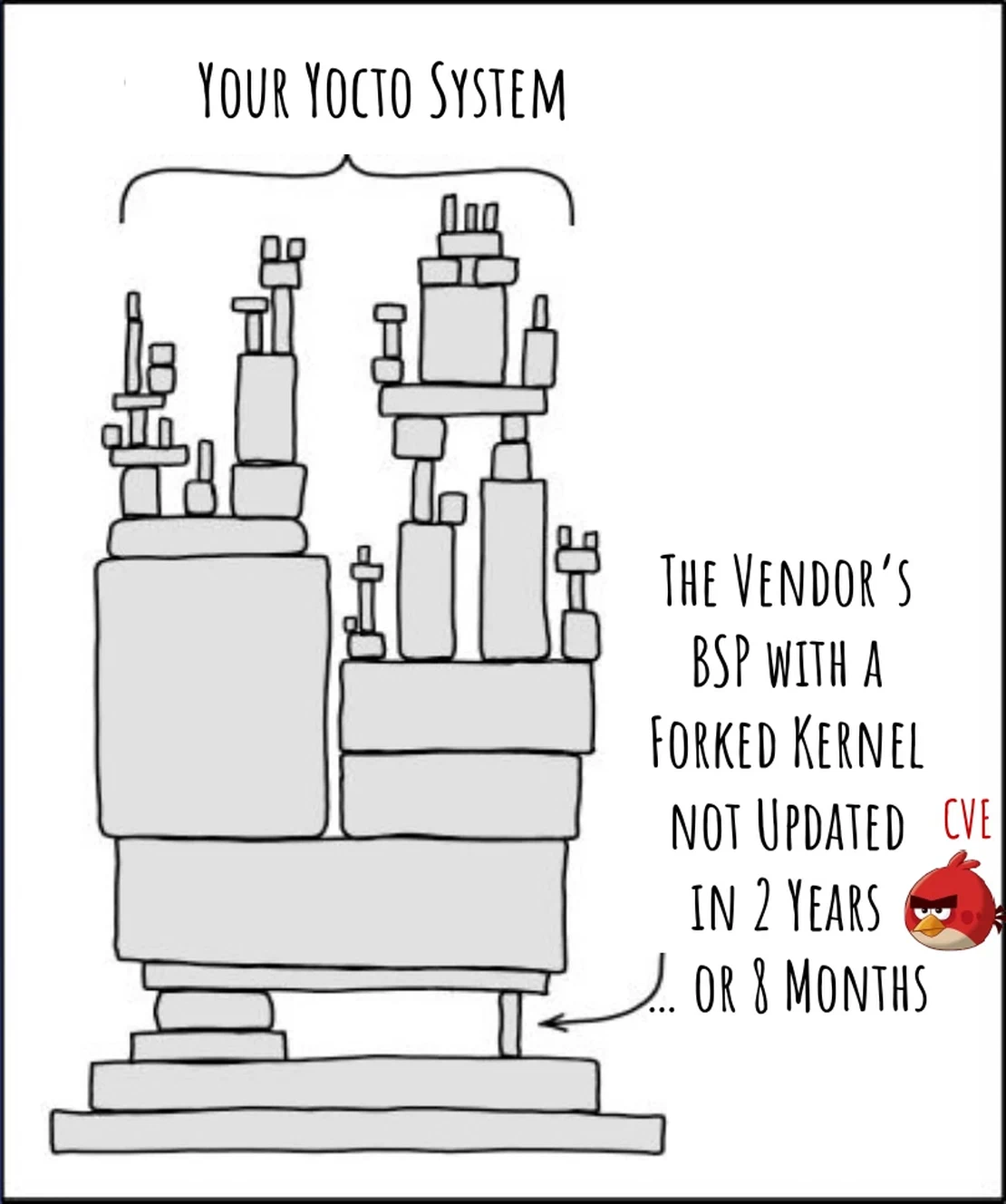
Vendor Board Support Packages (BSPs) are the standard for bringing new silicon to market, showcasing features, and promising an “easy” start. However, for those of us building products with long-term lifecycles, these BSPs often fail to meet quality requirements. They can be overly intrusive and typically don’t separate feature showcases from the well-maintained base needed for product development. This focus on rapid demonstration frequently results in BSPs which are difficult to maintain, lack transparency, and are built on non-LTS Yocto and kernel versions, making them unsuitable for products expected to last 5, 10, or even 20 years.
Read Post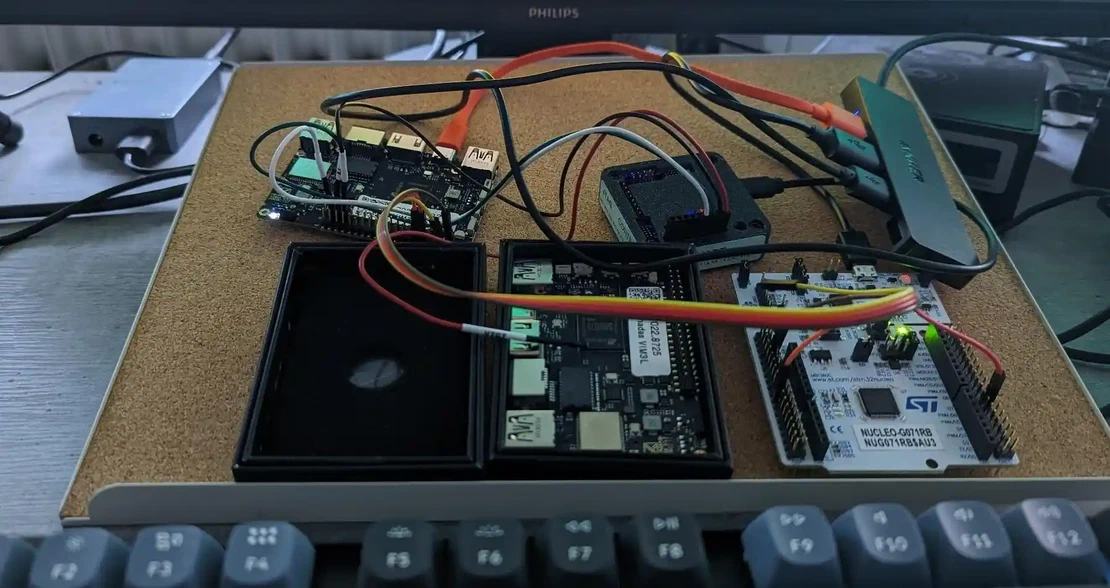
Organizing My Desk as an Embedded Engineer
- Anna-Lena Marx
- August 9, 2023
- Embedded
As an embedded dev, my desk is always a mess (and I think the ones of my colleagues, too). Working with real hardware leads straight to a number of boards, additional debuggers, tools, cables and more. And of course, as the most developers, I have a number of work projects and another of private ones. Even worse, I’m working from home for a good share of my time, so both kinds contribute to the mess there. Managing this is a constant effort and fight, but rarely successful.
Read Post
Yocto on the Edge - Unusual challenges when building not so embedded systems
- Anna-Lena Marx
- October 8, 2024
- Embedded , Conferences
Building embedded systems with Yocto on ARM platforms is a common practice, but when the products move further to the edge and become less “embedded,” new challenges arise. In this session, we will explore the requirements and challenges faced when developing Yocto-based systems for edge computing based on Intel.
We will dive into topics such as provisioning x86-based platforms, securely managing Linux user logins on a read-only root file system with enforced password changes, and implementing A/B updates together with secure boot. Real-world project requirements will be used as a guide to discuss practical solutions and best practices for addressing these challenges.
Read Post