
LoRaWAN in theory and practice: A trip through Munich
- Anna-Lena Marx
- Embedded , Conferences
- February 24, 2024
LoRaWAN (Long Range Wide Area Network) is becoming increasingly popular, thanks in part to public networks such as The Things Network, which allow users to dispense with their own gateways. LoRaWAN also promises potential in terms of range and energy efficiency. But how does the standard perform in practice?
The aim of the presentation is to shed light on the technical background and demonstrate how practicable LoRa is in the field using real tests. It will be shown how the standard behaves in urban and rural areas, how differences in height of the gateway and different antennas influence the transmission quality.
LoRaWAN in Theorie und Praxis: Ein Ausflug durch München
LoRaWAN (Long Range Wide Area Network) erfreut sich wachsender Beliebtheit, dazu tragen unter anderem öffentliche Netzwerke wie The Things Network bei, die ermöglichen, auf eigene Gateways zu verzichten. Potenzial verspricht LoRaWAN auch in den Punkten der Reichweite und Energieeffizienz. Aber wie verhält sich der Standard in der Praxis?
Ziel des Vortrags ist es, die technischen Hintergründe zu beleuchten und an realen Versuchen zu demonstrieren, wie praktikabel LoRa im Feldeinsatz ist. Es soll gezeigt werden, wie sich der Standard im urbanen und ländlichen Raum verhält, wie Höhenunterschiede des Gateways und unterschiedliche Antennen die Sendequalität beeinflussen.
Presented at
- buildingIoT, Munich, 2024
Download slides Blog post: Key Influences in Tracking with LoRaWAN
Related Posts

Patching Unpatchable Files
- Anna-Lena Marx
- December 5, 2024
- Embedded , Conferences
In the Yocto world, the .bbappend file is a well-known and documented mechanism for altering recipe files, and an essential part of daily operations. While not common, there are instances where it becomes necessary to modify other file types, such as .inc or .bbclass, which do not offer an equivalent append mechanism. This session will summarize various strategies for effectively handling these file types when patching cannot be avoided.
In my recent presentation at the Yocto Developer Day in Vienna, I mentioned using the KAS patch mechanism for minor modifications to files like .inc or .bbclass, where the Yocto internal overwriting mechanism via .bbappend files does not apply. Initially intended as a helpful side note on how I navigated a few unique situations, this part quickly escalated into the most discussed segment of the talk. Half of the attendees I spoke with found it valuable, while the other half expressed strong objections.
Read Post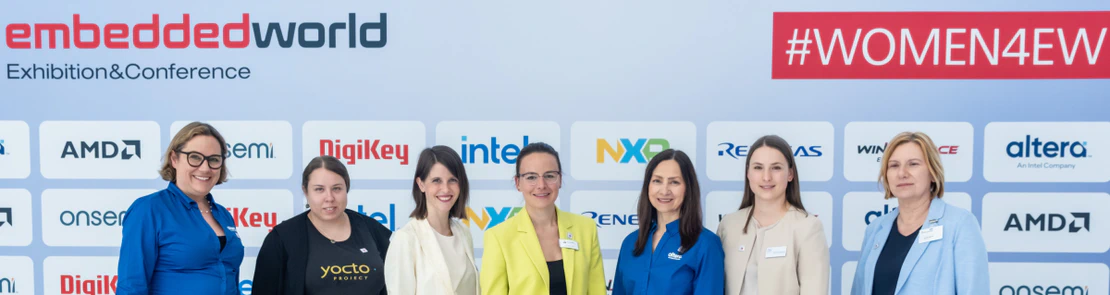
Embedded World 2024
- Anna-Lena Marx
- April 24, 2024
- Embedded
While I’m a regular visitor of the Embedded World Exhibition, this year was different. I had not only a more business-focused visit with lots of meetings with old and new partners and customers, but I also had the chance to serve rather spontaneously as a speaker, or better “Table Captain,” at the second edition of Embedded World’s women networking event #women4ew. Thus, I want to recap both parts separately and make a reference to what changed in contrast to my experiences outlined in the recently published post on International Women’s Day.
Read Post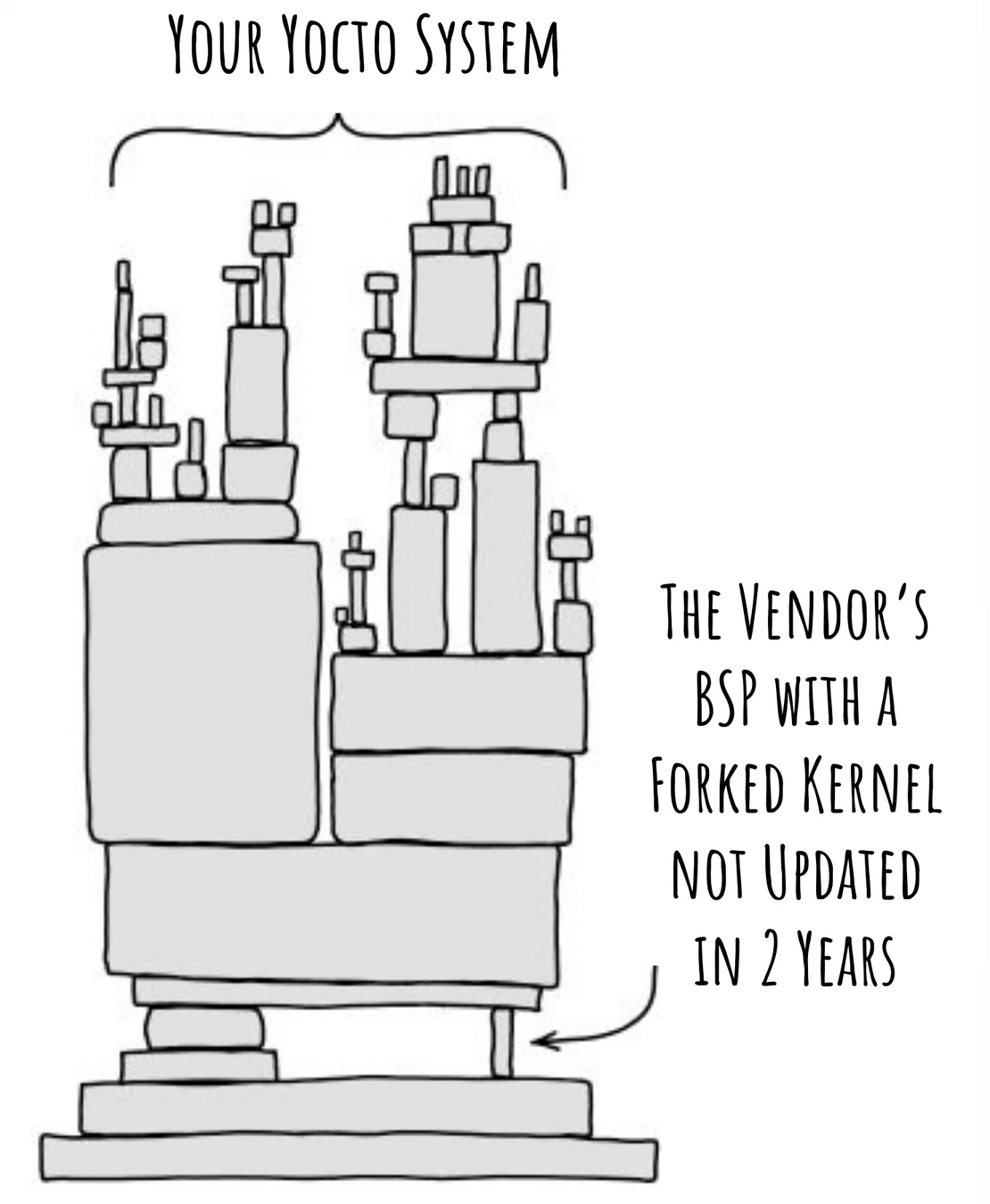
Yocto Vendor BSPs - The good, the bad, the ugly
- Anna-Lena Marx
- November 6, 2025
- Embedded , Conferences
Vendor Board Support Packages (BSPs) promise a quick start, but we all know the reality: a tangled mess of demo apps, weird custom tools, and an old, unmaintained kernel. This is a nightmare for products that need to live longer than a demo on the developer’s desk.
In this talk, we get our hands dirty. Forget the polished slides; we’re going to take a live, no-holds-barred look at some real-world vendor BSPs to see the common pain points firsthand. From there, we’ll discuss what we actually need from a BSP for a production device and explore the tipping point where setting up your own clean foundation becomes the smarter choice for building products that are meant to last.
Read Post