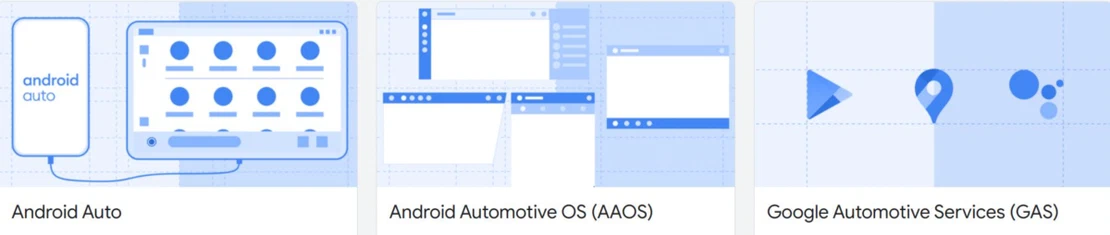
Android Automotive OS: A short introduction into Google's AAOS
- Anna-Lena Marx
- Embedded , Conferences
- April 2, 2024
Android, or the Android Open Source Project (AOSP), is primarily known from the smartphone market. What is less well known, however, is that the AOSP also provides a good basis for embedded systems and ensures a pleasant reading experience on eReaders, for example.
Google is now increasingly pushing into the automotive sector with Android Automotive. But what exactly is Android Automotive or the Android Automotive Operating System (AAOS)? How does it differ from Android or the AOSP? And what are the advantages over classic operating systems for infotainment?
Presented at
- inovex Meetup, Munich, 2024
Related Posts
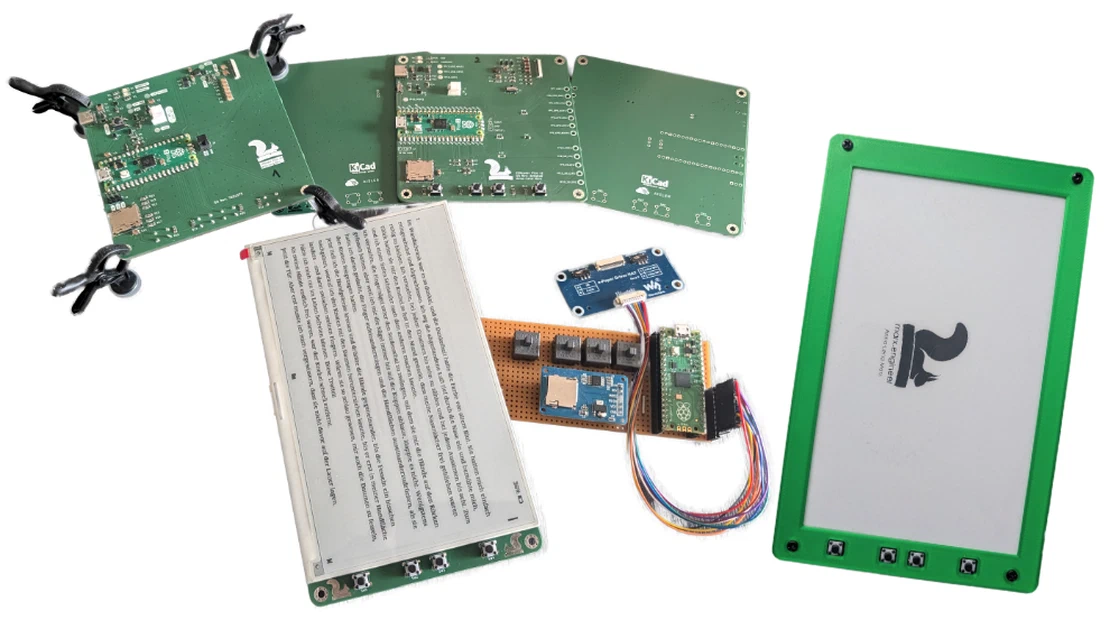
The ZEReader Project - Adopting Agile and Software-First Methods in Open Hardware
- Anna-Lena Marx
- May 24, 2026
- Zereader , Electronics , Embedded , Conferences
The ZEReader project is an open-source E-Reader that originated as an electrical engineering thesis. As a hobbyist project, it faces the typical rigidity of hardware iteration. To manage this, I applied an agile, software-first methodology, leveraging my background as an embedded systems developer. Instead of writing drivers for fixed hardware, I utilized the Zephyr driver ecosystem to let software requirements define component choices. This inverted approach enabled rapid proof-of-concept testing before committing to physical designs.
Read Post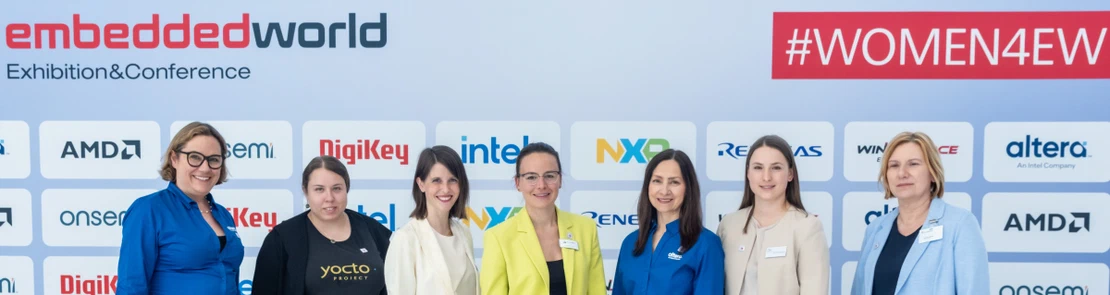
Embedded World 2024
- Anna-Lena Marx
- April 24, 2024
- Embedded
While I’m a regular visitor of the Embedded World Exhibition, this year was different. I had not only a more business-focused visit with lots of meetings with old and new partners and customers, but I also had the chance to serve rather spontaneously as a speaker, or better “Table Captain,” at the second edition of Embedded World’s women networking event #women4ew. Thus, I want to recap both parts separately and make a reference to what changed in contrast to my experiences outlined in the recently published post on International Women’s Day.
Read Post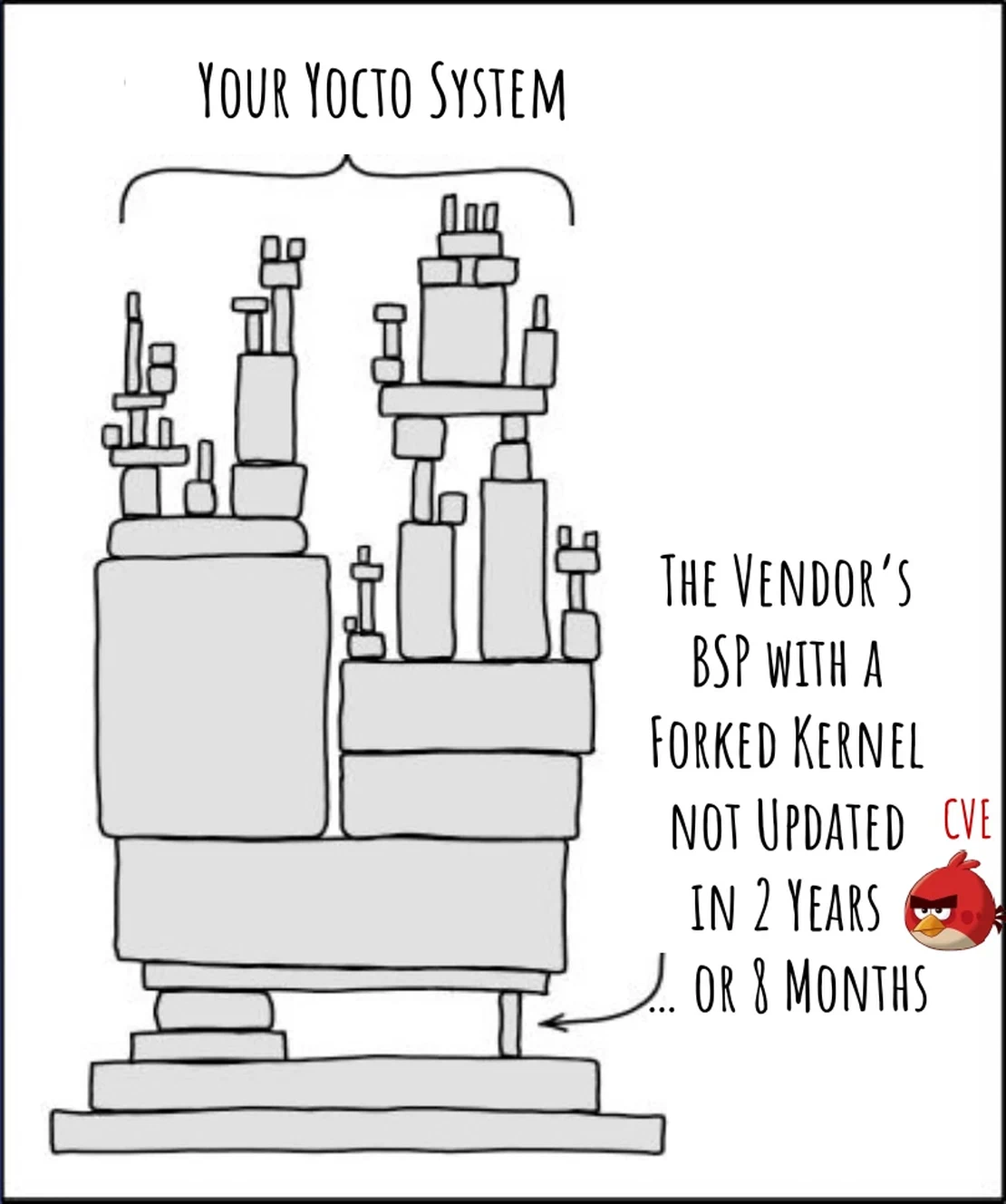
Your Vendor's BSP Is Probably Not Built For Product Longevity - Now What?
- Anna-Lena Marx
- December 4, 2025
- Embedded , Conferences
Vendor Board Support Packages (BSPs) are the standard for bringing new silicon to market, showcasing features, and promising an “easy” start. However, for those of us building products with long-term lifecycles, these BSPs often fail to meet quality requirements. They can be overly intrusive and typically don’t separate feature showcases from the well-maintained base needed for product development. This focus on rapid demonstration frequently results in BSPs which are difficult to maintain, lack transparency, and are built on non-LTS Yocto and kernel versions, making them unsuitable for products expected to last 5, 10, or even 20 years.
Read Post