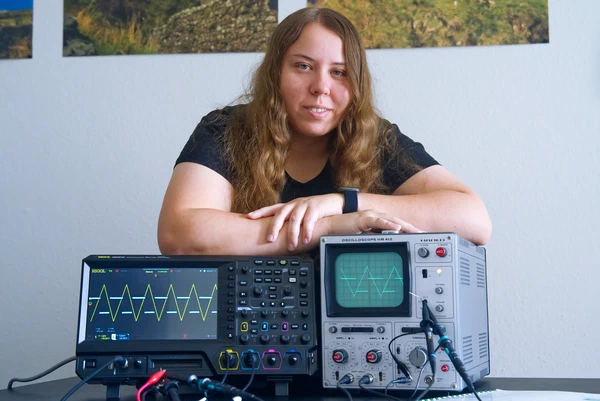
Anna-Lena Marx
Embedded Systems Engineering
I am passionate about the Yocto Project, Linux kernel development, Zephyr, AOSP, FPGAs and the electronics behind them. My professional work focuses on building sophisticated embedded systems solutions, which I often share through talks at conferences.
In my free time, I dedicate myself to personal projects like the open-source ZEReader, a microcontroller-based E-Reader which originated from my bachelor’s thesis in electrical engineering and enjoy photographing urban wildlife and being in the nature.
Explore my page for more on my professional work, upcoming talks, and my personal projects!
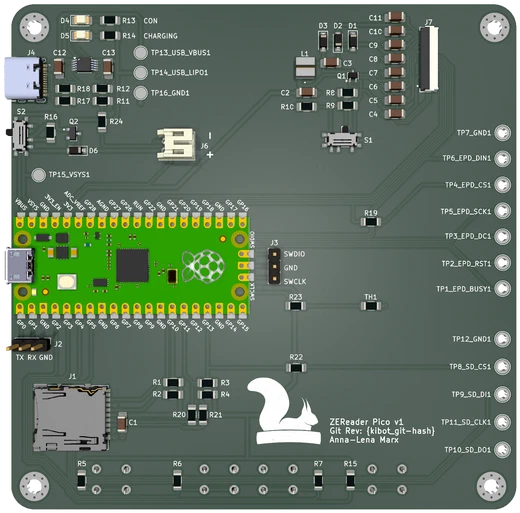
ZEReader
ZEReader is an open source hardware and software project dedicated to creating a hackable and customizable E-Reader platform. What began as an electrical engineering bachelor’s thesis has evolved into a hobby initiative.
While the project is still in its early stages and requires significant improvements to become a daily-use device, there are many exiting ideas for future hardware and software revisions. The goal is to continue the development of ZEReader to create a truly usable and open platform.
Upcoming Events
Yocto’s Hidden Gems: Lesser-Known Tools for Daily Development
Open Source Summit Europe / Embedded Linux Conference- 2026-10-09, 15:40 CEST
- Prague, Czechia
- Details and Registration
System Ownership statt Blackbox - Risikomanagement und CRA-Compliance mit dem Yocto Projekt
Embedded Software Engineering Kongress- 2026-12-03, 11:45 CEST
- Sindelfingen, Deutschland
- Details and Registration
Recent Blog Posts
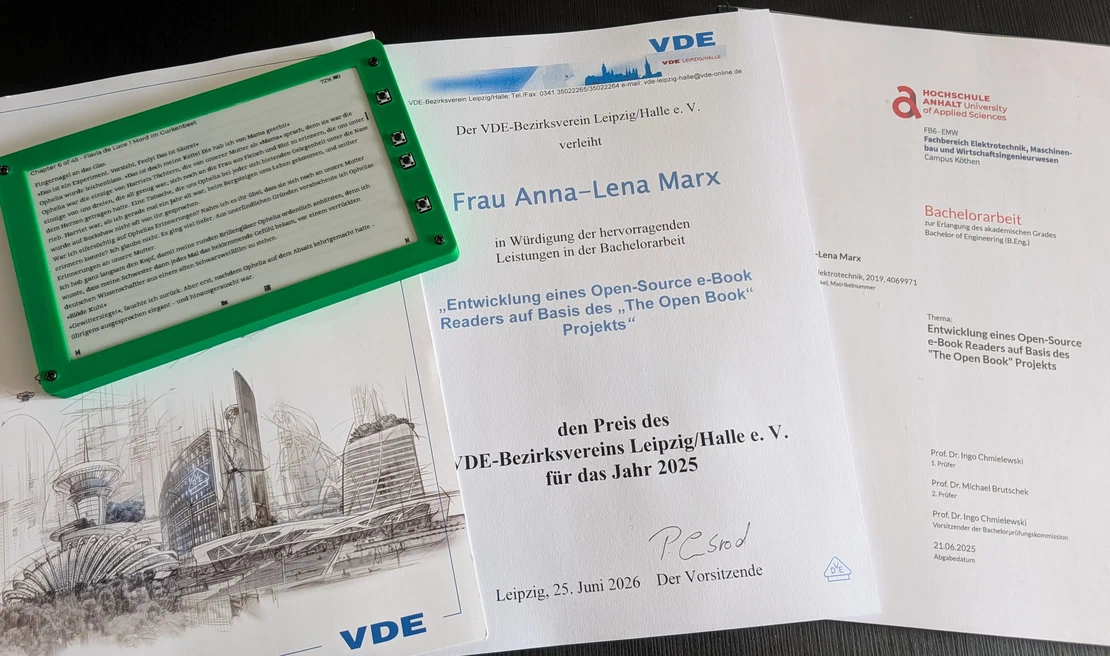
'VDE Best Thesis Award' for ZEReader Thesis
- Anna-Lena Marx
- July 30, 2026
- Zereader , Electronics
Almost exactly one year after submitting my bachelor’s thesis in electrical engineering – which resulted in the ZEReader Project – I had the chance to meet one of my supervisors again and showcase how much the project has evolved since its initial version.
In mid-June, I received an email that my thesis would be awarded the ‘VDE Award’ for outstanding theses of the regional VDE association Leipzig/Halle, which my university belongs to. It was not completely unexpected, as my supervisors had told me after the final thesis defense that they would nominate my work. Still, living in Karlsruhe meant that attending a Thursday award ceremony in Leipzig on such short notice was quite a logistical challenge.
Read Post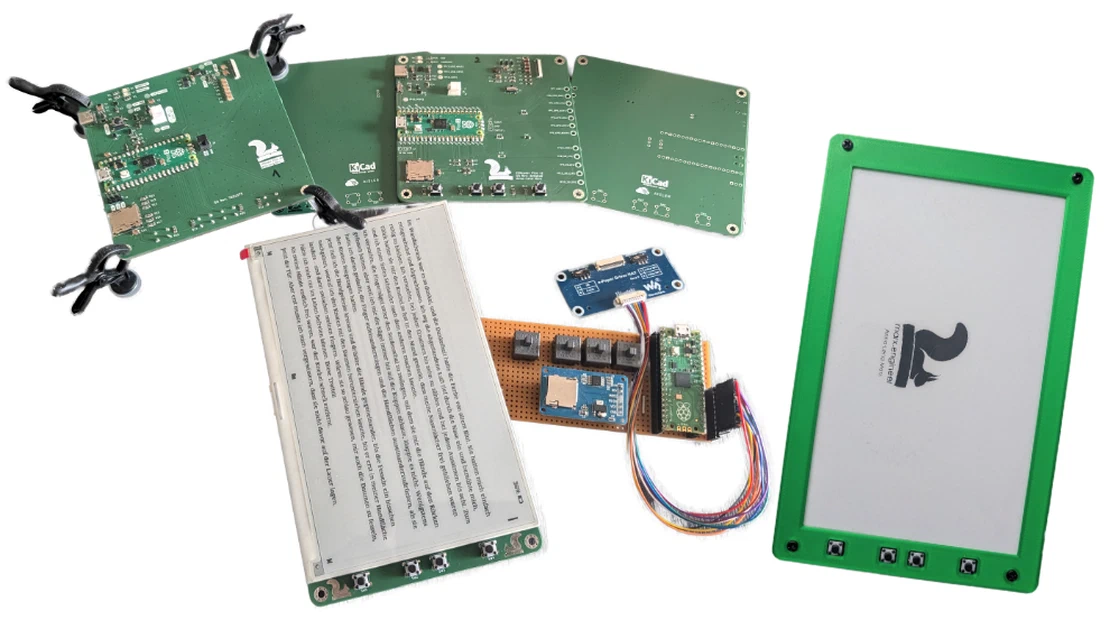
The ZEReader Project - Adopting Agile and Software-First Methods in Open Hardware
- Anna-Lena Marx
- May 24, 2026
- Zereader , Electronics , Embedded , Conferences
The ZEReader project is an open-source E-Reader that originated as an electrical engineering thesis. As a hobbyist project, it faces the typical rigidity of hardware iteration. To manage this, I applied an agile, software-first methodology, leveraging my background as an embedded systems developer. Instead of writing drivers for fixed hardware, I utilized the Zephyr driver ecosystem to let software requirements define component choices. This inverted approach enabled rapid proof-of-concept testing before committing to physical designs.
Read Post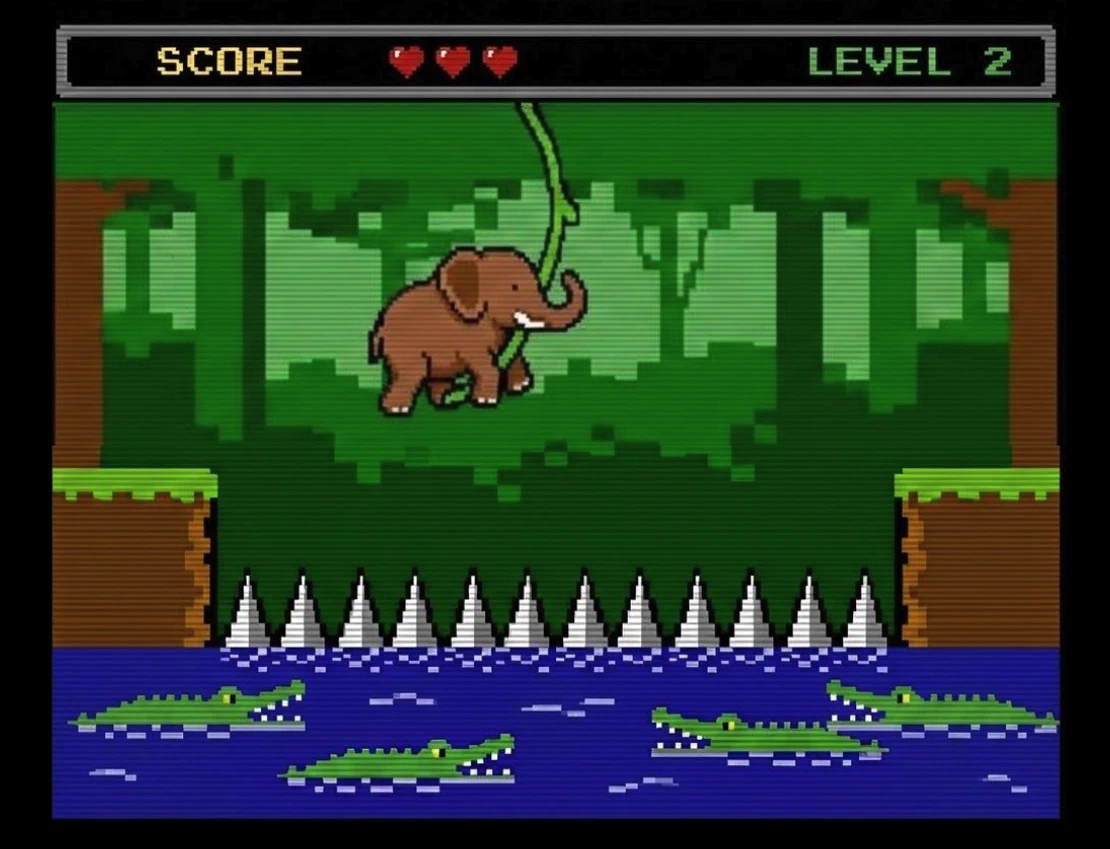
Beyond the Release: Managing Long-Term Risk and Compliance in Embedded Linux with Yocto
- Anna-Lena Marx
- April 14, 2026
- Embedded , Conferences
The embedded systems of the future will be judged by their long-term resilience and security. For many manufacturers, however, the shift from a product release to continuous lifecycle management is a significant operational hurdle.
Regulations like the EU’s Cyber Resilience Act (CRA) are formalizing this challenge, demanding ongoing vulnerability management and creating a backdraft of responsibility that impacts the entire supply chain.
This presentation highlights that a robust and reproducible build system is the cornerstone of any sustainable product strategy in this new environment. It will explore how the Yocto Project provides the essential framework for building future-proof and maintainable systems.
The discussion will cover how its architecture enables the critical features needed to manage long-term risk: full-stack patchability for targeted CVE fixes, reproducible builds for maintaining legacy devices, and automated Software Bill of Materials (SBOM) generation for regulatory transparency.
Attendees will gain actionable strategies for implementing lifecycle-aware embedded development and transforming existing product portfolios to meet evolving regulatory requirements.