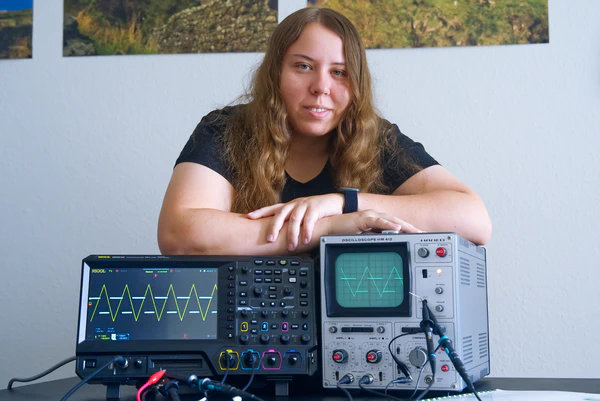
Anna-Lena Marx
Embedded Systems Engineering
I am passionate about the Yocto Project, Linux kernel development, Zephyr, AOSP, FPGAs and the electronics behind them. My professional work focuses on building sophisticated embedded systems solutions, which I often share through talks at conferences.
In my free time, I dedicate myself to personal projects like the open-source ZEReader, a microcontroller-based E-Reader which originated from my bachelor’s thesis in electrical engineering and enjoy photographing urban wildlife and being in the nature.
Explore my page for more on my professional work, upcoming talks, and my personal projects!
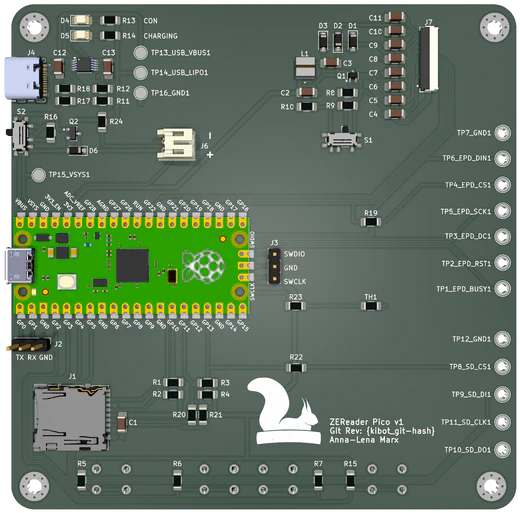
ZEReader
ZEReader is an open source hardware and software project dedicated to creating a hackable and customizable E-Reader platform. What began as an electrical engineering bachelor’s thesis has evolved into a hobby initiative.
While the project is still in its early stages and requires significant improvements to become a daily-use device, there are many exiting ideas for future hardware and software revisions. The goal is to continue the development of ZEReader to create a truly usable and open platform.
Upcoming Events
Beyond the Release: Managing Long-Term Risk and Compliance in Embedded Linux with Yocto
Embedded World Conference- 10 March 2026
- Nuremberg Messe, Germany
- Details and Registration
Recent Blog Posts
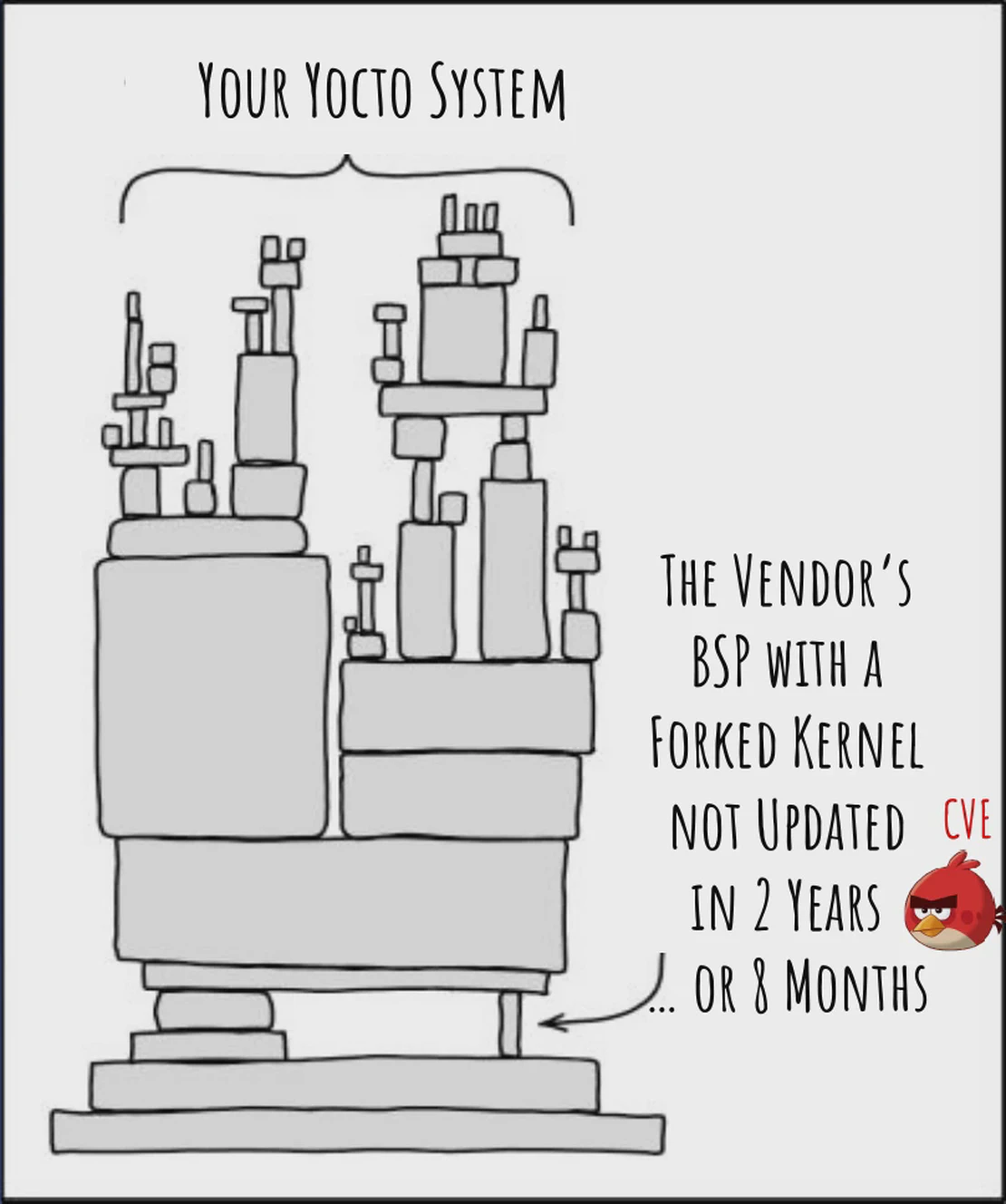
Your Vendor's BSP Is Probably Not Built For Product Longevity - Now What?
- Anna-Lena Marx
- December 4, 2025
- Embedded , Conferences
Vendor Board Support Packages (BSPs) are the standard for bringing new silicon to market, showcasing features, and promising an “easy” start. However, for those of us building products with long-term lifecycles, these BSPs often fail to meet quality requirements. They can be overly intrusive and typically don’t separate feature showcases from the well-maintained base needed for product development. This focus on rapid demonstration frequently results in BSPs which are difficult to maintain, lack transparency, and are built on non-LTS Yocto and kernel versions, making them unsuitable for products expected to last 5, 10, or even 20 years.
Read Post
A Gentle Power Off for ZEReader: Replacing the Hard Switch with a Latching Power Circuit
- Anna-Lena Marx
- November 16, 2025
- Zereader , Electronics , Embedded
With the second revision, the way ZEReader is turned on and off got a massive redesign.
The hard on/off switch in the first revision was dead simple and worked great—with one big flaw from a user’s perspective. You could not recognize if the reader was on or off on the first sight. The old switch just closed or opened the loop with the power supply, and due to the E-Paper display just holding the state, you had no chance to tell.
Besides, there was no possibility at all to implement some kind of graceful shutdown mechanism, which would allow me to save all important state information and show a clear device off indicator.
This situation was totally fine for the very first prototype, but it started to get annoying very soon. A new approach was needed!
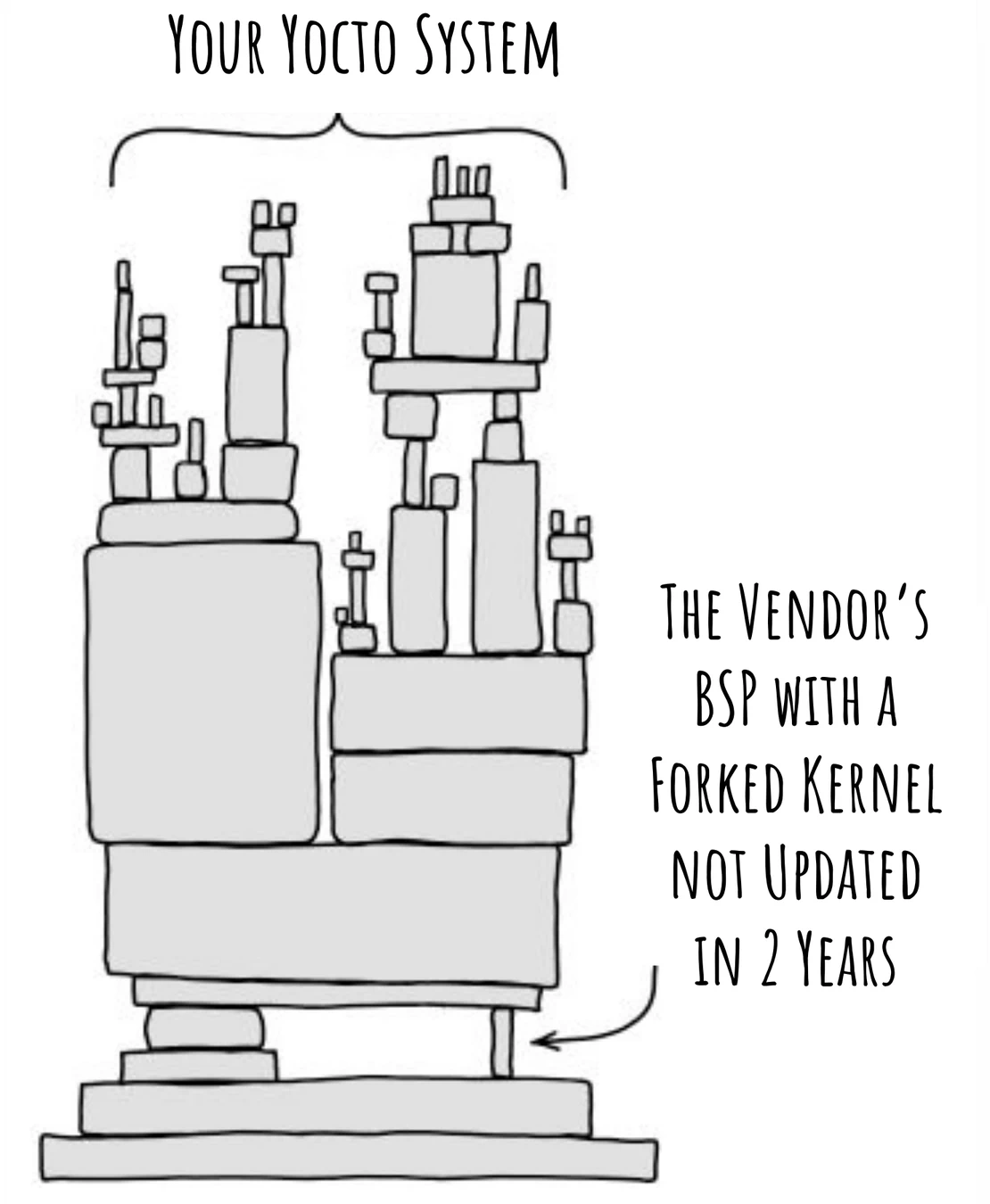
Yocto Vendor BSPs - The good, the bad, the ugly
- Anna-Lena Marx
- November 6, 2025
- Embedded , Conferences
Vendor Board Support Packages (BSPs) promise a quick start, but we all know the reality: a tangled mess of demo apps, weird custom tools, and an old, unmaintained kernel. This is a nightmare for products that need to live longer than a demo on the developer’s desk.
In this talk, we get our hands dirty. Forget the polished slides; we’re going to take a live, no-holds-barred look at some real-world vendor BSPs to see the common pain points firsthand. From there, we’ll discuss what we actually need from a BSP for a production device and explore the tipping point where setting up your own clean foundation becomes the smarter choice for building products that are meant to last.
Read Post